


So Your Milk Hasn’t “Come In” Yet — Now What? Part 8
Milk production and release rely on hormones that are sensitive to stress, pain, and exhaustion.

So Your Milk Hasn’t “Come In” Yet — Now What? Part 7
Breastfeeding challenges are common, and early, skilled support can change outcomes.

So Your Milk Hasn’t “Come In” Yet — Now What? Part 6
If your baby is having difficulty latching, is very sleepy, or is temporarily unable to feed effectively, milk supply still needs support.

So Your Milk Hasn’t “Come In” Yet — Now What? Part 5
Some newborn weight loss after birth is common and expected. Many healthy babies lose up to 7–10% of birth weight before beginning to gain.

So Your Milk Hasn’t “Come In” Yet — Now What? Part 4
Skin-to-skin contact does more than encourage bonding. It supports newborn regulation and helps stimulate hormones involved in milk release.

So Your Milk Hasn’t “Come In” Yet — Now What? Part 3
Milk production requires energy, fluids, and nutrients.
If a lactating parent is significantly under-fed or unwell, it can affect how they feel and how their body functions overall.
That said, research does not show that forcing extra fluids beyond thirst reliably increases milk supply. More isn’t always better.

So Your Milk Hasn’t “Come In” Yet — Now What? Part 2
Milk production is regulated largely by how often milk is removed.
Newborns are biologically designed to feed frequently — often 8–12 times in 24 hours, and sometimes more in the earliest days. This range reflects normal newborn behavior, not a problem.

So Your Milk Hasn’t “Come In” Yet — Now What? Part 1
One of the most common things new parents hear is, “Your milk hasn’t come in yet.”
And while that phrase is familiar, it can create unnecessary worry.

Ditch the Tube: Try This DIY Ayurvedic Tooth Powder for a Truly Natural Clean
Let’s be honest—most commercial toothpaste is full of things you can’t pronounce and ingredients you probably wouldn’t let your kids eat. So why are we scrubbing our mouths with it every day?
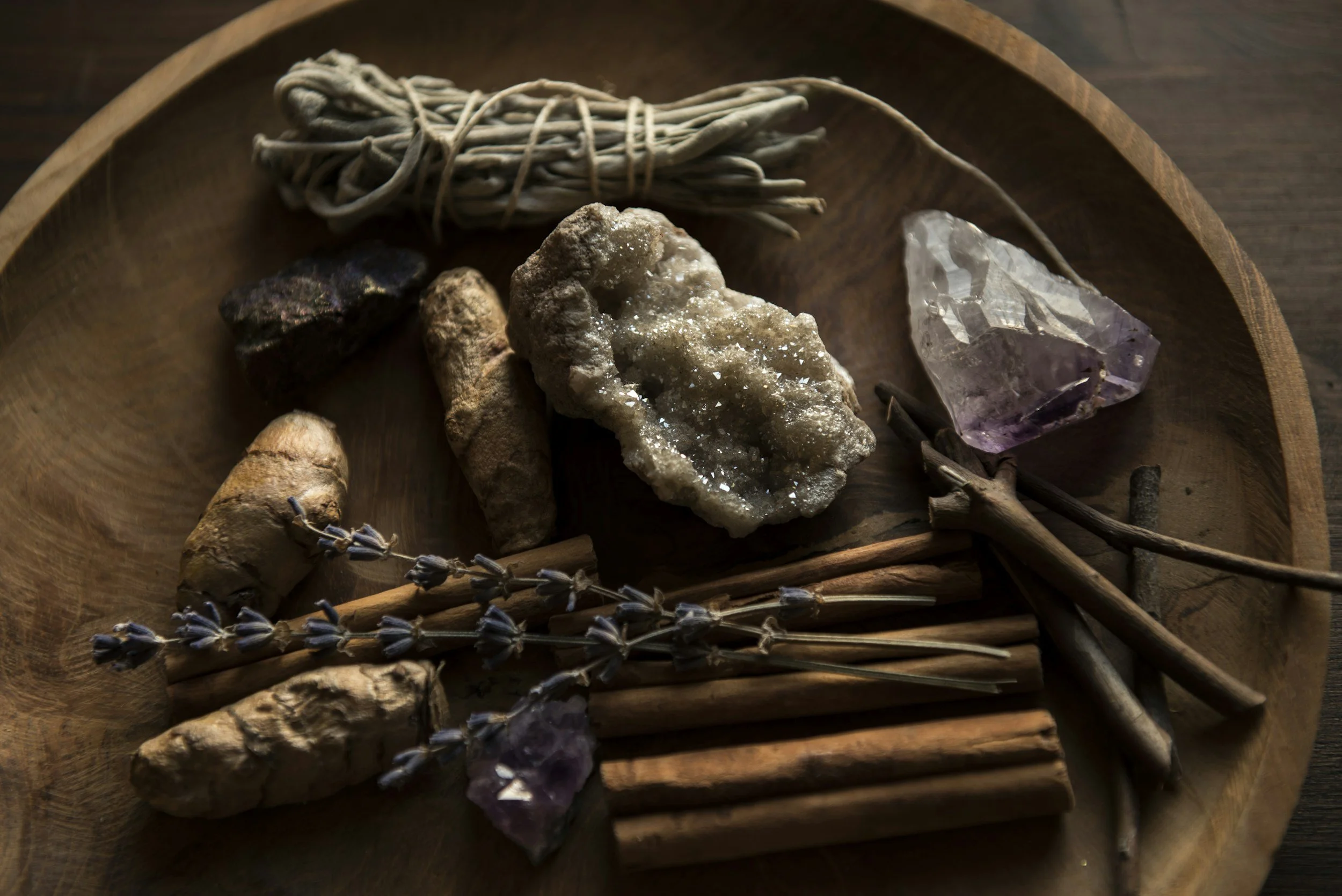
Ritual by Flame: Working with Intention Candles as Tools, Not Trinkets
If you’d rather skip the melting pots and herb bundles, I make small-batch ritual candles with herbs, stones, and intention already woven in.
You can explore the current batch here, or send me a message if you’re dreaming up something custom.

Smile Like You Mean It: The Ayurvedic Approach to Oral Health
Let’s talk about your mouth—because according to Ayurveda, it’s not just where your morning coffee goes. It’s the gateway to your entire body and a mirror of your overall health. In fact, ancient Ayurvedic texts put a big spotlight on oral care, and they were way ahead of their time when it came to natural, holistic dental hygiene.

Listen Up: Why Ayurveda Says You Should Oil Your Ears
If you've been in the Ayurvedic world for even a hot minute, you've probably heard about Abhyanga—the glorious self-massage with warm oil. But did you know there's a specific Ayurvedic practice just for your ears?
Let’s talk about Karna Purana, the ancient art of ear oiling, and why it’s actually a powerful act of self-care—especially if you’re feeling frazzled, anxious, or Vata-aggravated.

Soak in the Love: Abhyanga, Ayurveda’s Most Nourishing Ritual
Let’s be honest—when was the last time you showed your body some real, loving attention? Not a rushed shower or a quick lotion slather, but true, intentional care?
Enter: Abhyanga, the ancient Ayurvedic practice of self-massage with warm oil. It’s like pressing the pause button on your stress, anxiety, and tension—and wrapping yourself up in your own nurturing energy.

Clear the Air: The Ancient Magic of the Neti Pot
Ever feel like your sinuses have gone on strike? Maybe you're constantly congested, struggling with allergies, or just feeling foggy. If so, it might be time to meet your new best friend: the humble yet powerful neti pot.
This little teapot-looking tool has been part of Ayurvedic self-care for thousands of years, and once you try it, you’ll wonder how you ever breathed without it. Let’s dive into what it is, how to use it, and why Ayurveda is obsessed with this nasal-cleansing superstar.

Sacred Cycles: Nurturing Our Reproductive Health Episode 1
Ayurveda considers menstruation as a vital sign—just like your pulse or digestion. A healthy menstrual cycle should be regular, pain-free, and balanced, with a moderate flow that lasts between 3 to 7 days. If your cycle is irregular, painful, or too heavy or light, Ayurveda sees this as a sign of imbalance in the doshas—Vata, Pitta, and Kapha.

What Is a Doula? A Guide to Birth, Postpartum, Fertility, and Bereavement Support
Bringing a new baby into the world is a life-changing experience, and every birthing person deserves support, encouragement, and guidance throughout the journey. That’s where a doula comes in! Whether you’re navigating pregnancy, labor, postpartum, preconception, or loss, a doula can be an invaluable source of emotional, physical, and informational support. But what exactly does a doula do? Let’s break it down.

The Dark Side of Sugar: Why You Should Consider a Detox
Welcome to our blog! Today, we are diving into a topic that has become increasingly relevant in our modern society - the dark side of sugar. While we all love the sweet taste and comforting feeling that sugar provides, there is a hidden danger lurking beneath its enticing facade. In this article, we will explore why you should consider a sugar detox and the potential benefits it can bring to your overall health and well-being. So, grab a cup of tea and get ready to uncover the truth about sugar and why it may be time to break free from its addictive grip.

All About Thai Yoga Therapy
Traditional Thai Yoga Therapy is an interactive form of yoga in which the practitioner works with the recipient –blending compassionate, therapeutic acupressure and deep yoga stretches in a meditative flow– to create a state of true yogic bliss. As a recipient, you will enjoy all the healing benefits of yoga without the effort of doing it.

Introduction To Reiki, Part One
Reiki is the practice of using energy, believed to be the life force of all living things, to relax and heal the mind and body. The practice has its roots in Japanese culture, and the word itself can be broken down to give meaning to the practice. The word Rei, in Japanese, means “universal”, and Ki, means “life energy” - together “universal life energy” is the basis for the art of Reiki.
