


So Your Milk Hasn’t “Come In” Yet — Now What? Part 8
Milk production and release rely on hormones that are sensitive to stress, pain, and exhaustion.

So Your Milk Hasn’t “Come In” Yet — Now What? Part 7
Breastfeeding challenges are common, and early, skilled support can change outcomes.
So Your Milk Hasn’t “Come In” Yet — Now What? Part 6
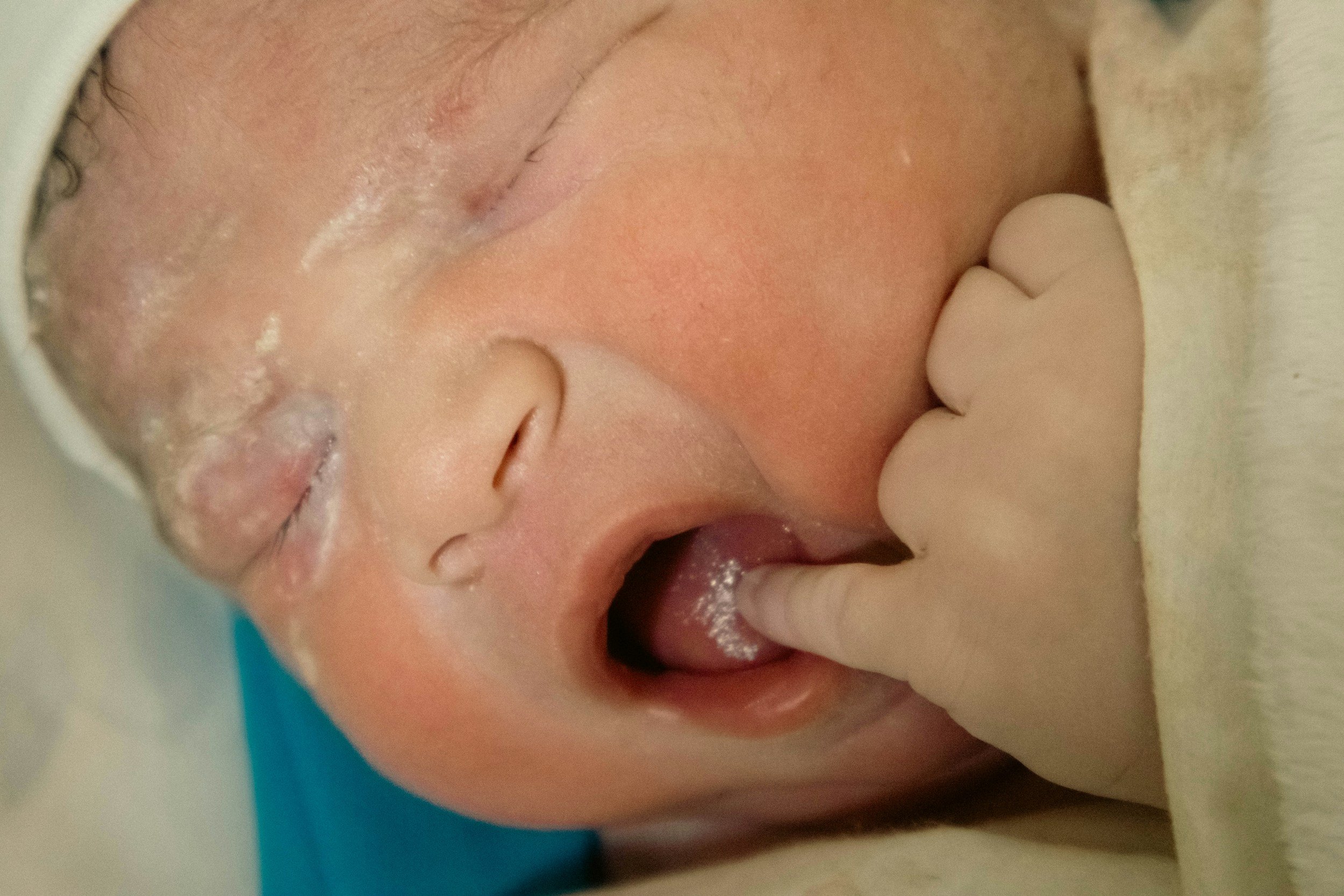
If your baby is having difficulty latching, is very sleepy, or is temporarily unable to feed effectively, milk supply still needs support.

So Your Milk Hasn’t “Come In” Yet — Now What? Part 5
Some newborn weight loss after birth is common and expected. Many healthy babies lose up to 7–10% of birth weight before beginning to gain.
So Your Milk Hasn’t “Come In” Yet — Now What? Part 4
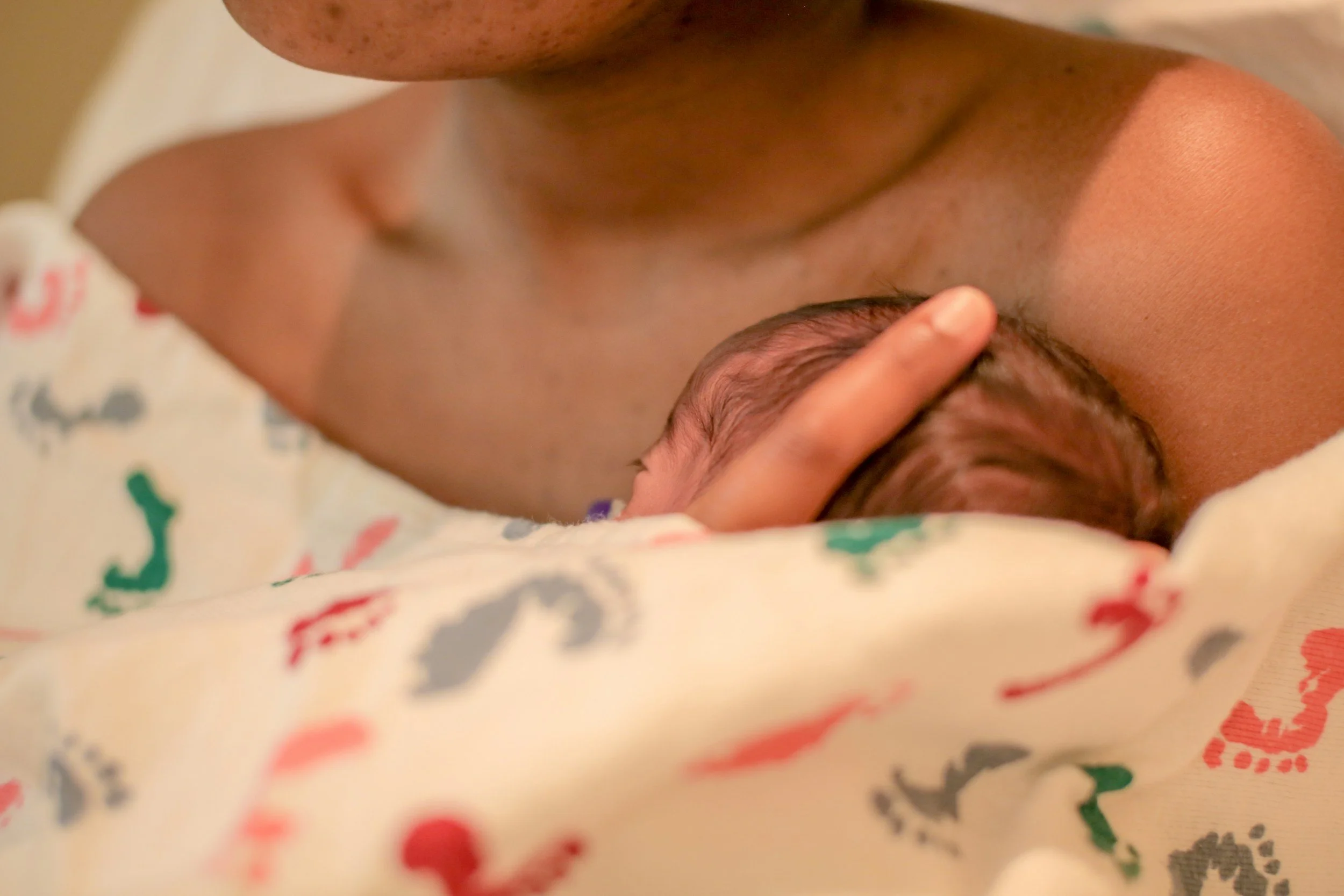
Skin-to-skin contact does more than encourage bonding. It supports newborn regulation and helps stimulate hormones involved in milk release.

So Your Milk Hasn’t “Come In” Yet — Now What? Part 3
Milk production requires energy, fluids, and nutrients.
If a lactating parent is significantly under-fed or unwell, it can affect how they feel and how their body functions overall.
That said, research does not show that forcing extra fluids beyond thirst reliably increases milk supply. More isn’t always better.

So Your Milk Hasn’t “Come In” Yet — Now What? Part 2
Milk production is regulated largely by how often milk is removed.
Newborns are biologically designed to feed frequently — often 8–12 times in 24 hours, and sometimes more in the earliest days. This range reflects normal newborn behavior, not a problem.

So Your Milk Hasn’t “Come In” Yet — Now What? Part 1
One of the most common things new parents hear is, “Your milk hasn’t come in yet.”
And while that phrase is familiar, it can create unnecessary worry.